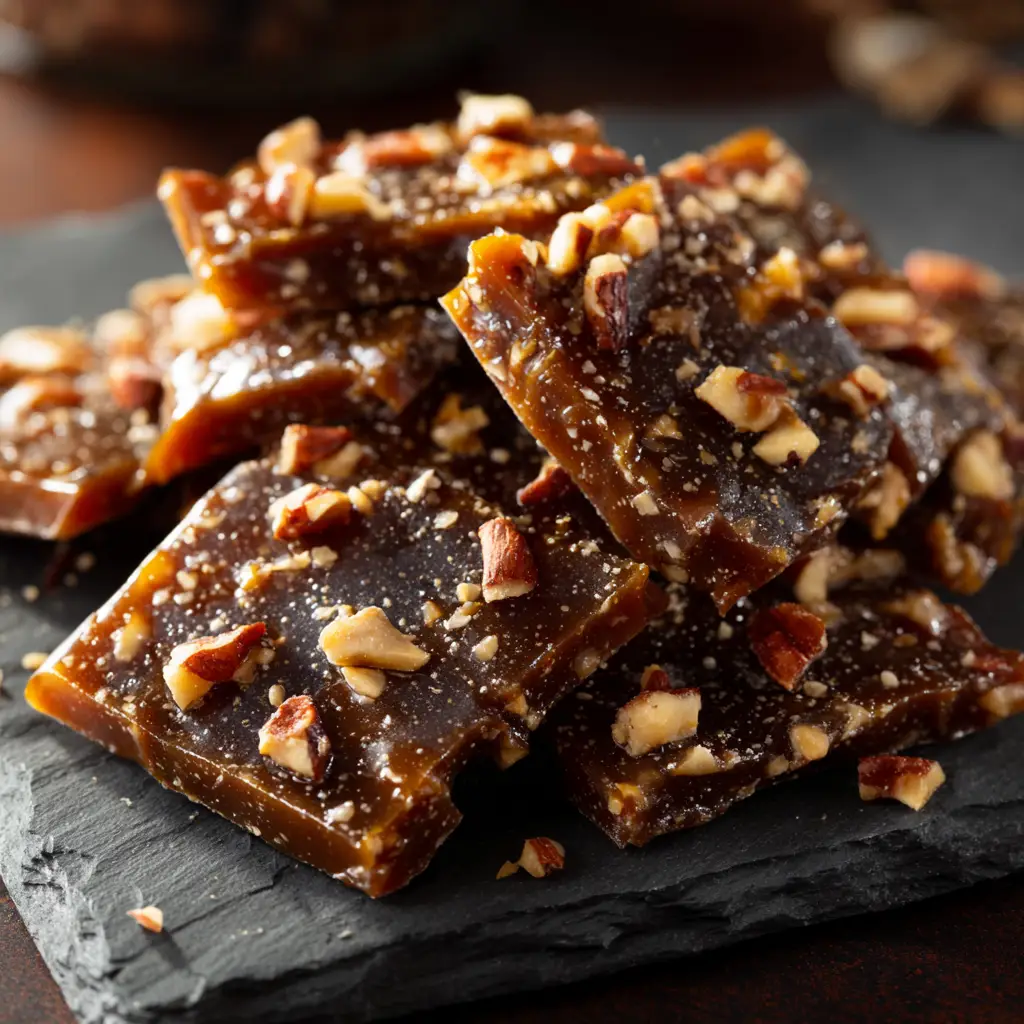
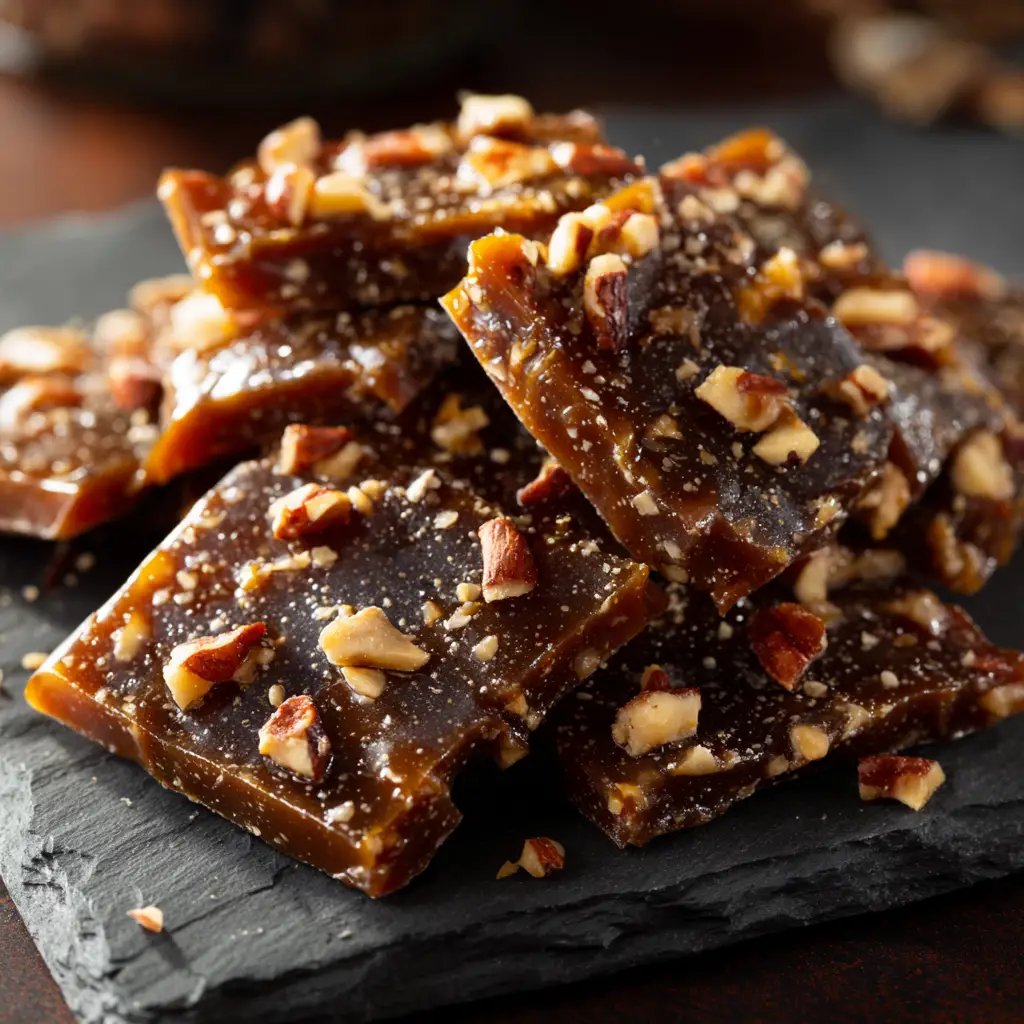
There’s something truly magical about the snap of perfectly made toffee. This authentic Georgia Toffee Recipe is a home-cooked masterpiece, resulting in rustic, glossy squares of buttery candy generously sprinkled with crunchy, chopped pecans. The close-up, hearty texture is just as the pictures promise—a tempting, accessible treat that captures the essence of Southern hospitality. Forget crumbly or sticky pretenders; this recipe is your guide to creating that sought-after, mouth-watering crunch that defines truly great toffee.
We’re diving deep into the science and soul of this classic confection. From the precise temperature that unlocks its signature gloss to the simple ingredients that form its foundation, you’ll learn everything needed to master this recipe on your first try. Get ready to pile these nutty, golden squares high on your favorite serving dish.
Why This Toffee Will Become Your Go-To Treat
This isn’t just another candy recipe. It’s a carefully crafted guide to achieving a specific, sensational result. Here’s what makes this Georgia Toffee Recipe stand out:
- Perfectly Glossy Finish: We’ll show you the exact technique to achieve that beautiful, hearty sheen without any special equipment beyond a reliable thermometer.
- Addictive Buttery Crunch: The texture is everything. This recipe ensures a clean, satisfying snap that melts in your mouth, never sticking to your teeth.
- Authentic Southern Flavor: By focusing on high-quality butter, two types of sugar, and perfectly toasted pecans, we honor the rich culinary traditions of Georgia.
- Visually Stunning Results: Following these steps will produce toffee that looks exactly like the photos—rustic, authentic, and generously topped with crunchy pecans piled high.
The Building Blocks of Perfect Pecan Toffee
The magic of this Georgia Toffee Recipe lies in its simplicity. Each ingredient plays a crucial role in creating the final texture and flavor.
Key Ingredients
- Unsalted Butter: You’ll need 1 cup (227g) of high-quality unsalted butter. This is the heart of the toffee, providing the rich, creamy flavor and essential fat content for a smooth texture.
- Granulated Sugar: Use 1 cup (200g) of standard white sugar. This provides the primary structure and sweetness of the candy.
- Light Brown Sugar: Adding 1/2 cup (100g), packed, of light brown sugar introduces a subtle molasses note that deepens the flavor profile, giving it that classic Southern caramel taste.
- Water: Just 1/4 cup (60ml) of water is needed to help the sugars dissolve evenly at the start, preventing premature crystallization.
- Light Corn Syrup: A crucial ingredient, 2 tablespoons (30ml) of light corn syrup acts as an interfering agent, ensuring your toffee remains smooth and glossy.
- Kosher Salt: A teaspoon (6g) of Kosher salt enhances all the other flavors and cuts through the sweetness, creating a perfectly balanced candy.
- Baking Soda: A mere 1/2 teaspoon of baking soda, added at the very end, creates a tiny chemical reaction. This aerates the toffee slightly, making it more tender and easier to break and bite.
- Vanilla Extract: Use 2 teaspoons (10ml) of pure vanilla extract for a warm, aromatic finish. It’s stirred in off the heat to preserve its delicate flavor.
- Raw Pecans: The crowning glory! You’ll need 1 1/2 cups (180g) of raw pecans, roughly chopped. Sprinkling them on top allows their nutty flavor to toast gently from the residual heat of the toffee.
Essential Tools for Toffee Success
Making candy is a science, and having the right tools makes all the difference. You don’t need a lot of fancy equipment, but these items are non-negotiable for achieving that perfect, glossy result.
- Heavy-Bottomed Saucepan: A 3 or 4-quart pot is ideal. A heavy base ensures even heat distribution, which is critical for preventing hot spots that can scorch the sugar.
- Candy Thermometer: This is the most important tool. A clip-on digital or traditional candy thermometer will give you the precise temperature readings needed to hit the “hard crack” stage.
- Baking Sheet: A standard half-sheet pan (18×13 inches) lined with parchment paper or a silicone mat will be your canvas for cooling the toffee.
- Heat-Resistant Spatula or Wooden Spoon: For stirring the molten sugar mixture.
Crafting Your Authentic Georgia Toffee: A Step-by-Step Guide
Follow these steps closely, paying attention to the sensory cues. The process is quick, so have all your ingredients measured and ready before you begin.
Phase 1: The Foundation
First, prepare your cooling station. Line a large baking sheet with parchment paper or a silicone baking mat and set it aside. In your heavy-bottomed saucepan, combine the unsalted butter, granulated sugar, light brown sugar, water, corn syrup, and salt. Attach your candy thermometer to the side, ensuring the tip is submerged but not touching the bottom of the pan.
Phase 2: The Critical Cook
Place the saucepan over medium heat. Stir constantly with a heat-resistant spatula until the butter has melted and the sugar has completely dissolved. Once the mixture comes to a steady boil, stop stirring completely to prevent sugar crystals from forming.
Allow the mixture to boil, watching the thermometer carefully. You’ll see the color transition from a pale yellow to a deep amber. The target temperature is 300°F (150°C), also known as the “hard crack” stage. This process can take 10-15 minutes. The smell will be intoxicatingly rich and nutty.
Phase 3: The Final Transformation
As soon as the thermometer reads 300°F (150°C), immediately remove the pan from the heat. Working very quickly and carefully, whisk in the baking soda and vanilla extract. The mixture will bubble up furiously for a moment—this is the baking soda reacting to create that tender texture.
Instantly pour the molten toffee onto your prepared baking sheet. Use your spatula to spread it into an even layer, though it will likely level itself out. Immediately sprinkle the chopped pecans evenly over the entire surface of the hot toffee. Do not touch it—it is extremely hot.
Phase 4: Cooling and Breaking
Let the toffee cool completely at room temperature for at least one hour, or until it is fully hardened. Once it’s hard, lift the parchment paper or silicone mat and break the toffee into rustic, bite-sized pieces. There’s no need for perfect squares; the irregular shapes are part of its charm.
Expert Tips for Flawless Toffee Every Time
- Trust Your Thermometer: Do not try to eyeball the temperature. 300°F is precise. Even a few degrees under can result in soft, sticky toffee.
- Don’t Stir After Boiling: This is the number one cause of grainy, crystallized toffee. Let the heat do the work.
- Humidity is the Enemy: Avoid making candy on a rainy or humid day. Excess moisture in the air can prevent the toffee from setting properly.
- Have Everything Ready (Mise en Place): The final stage of the recipe moves incredibly fast. Have your baking soda, vanilla, and pecans measured and within arm’s reach before you start. Looking for more regional candy ideas? These classic Buckeye Recipes are another fan favorite.
Storing Your Homemade Toffee
Proper storage is key to maintaining that perfect crunch. Once broken into pieces, store your Georgia Toffee in an airtight container at room temperature. Place layers of wax paper between the pieces to prevent them from sticking together.
It will keep beautifully for up to two weeks. Do not refrigerate the toffee, as the moisture in the fridge can make it soft and sticky.
Serving Your Southern Masterpiece
This Georgia Toffee is a star on its own, but it also pairs wonderfully with other treats. Enjoy a piece with a hot cup of coffee or crumble it over a scoop of vanilla ice cream. For a truly decadent dessert spread, serve it alongside other homemade goodies like our Best Fudge Recipe or some festive Raspberry-Filled Snowball Cookies. It also makes a wonderful and heartfelt edible gift during the holidays.
Frequently Asked Questions About Georgia Toffee
Here are answers to some common questions about making this delightful candy.
While highly recommended for accuracy, you can use the cold water test. When a small spoonful of syrup is dropped into cold water, it should separate into hard, brittle threads that break when bent (the hard crack stage). However, a thermometer is far more reliable.
Absolutely. While pecans are traditional for a ‘Georgia’ toffee, you could substitute with toasted almonds, walnuts, or even macadamia nuts for a delicious variation.
While similar, Georgia-style toffee traditionally highlights pecans and often has a simpler, cleaner profile without the layer of chocolate commonly found on English toffee.
This can happen if the mixture is heated too quickly or if there are sudden, drastic temperature changes. Bringing the mixture to a boil over steady, medium heat helps keep the emulsion stable.
Graininess is caused by sugar crystallization. This usually happens if you stir the mixture after it has come to a boil, or if sugar crystals from the side of the pan fall back into the mixture. Boiling without stirring prevents this.
Your Printable Guide to Perfect Georgia Toffee
Ready to experience the irresistible crunch of this Southern classic? The recipe card below has the exact measurements and instructions you need to create this masterpiece in your own kitchen.
Georgia Toffee Recipe: A Southern Classic with a Glossy Crunch
Ingredients
Equipment
Method
- Line a large baking sheet with parchment paper or a silicone baking mat and set aside. Have all your other ingredients measured and ready.
- In a 3-4 quart heavy-bottomed saucepan, combine the butter, granulated sugar, brown sugar, water, corn syrup, and salt. Attach a candy thermometer to the side of the pan.
- Heat over medium, stirring constantly until the butter is melted and sugar is dissolved. Once the mixture begins to boil, stop stirring completely. Cook until the thermometer reads exactly 300°F (150°C).
- Immediately remove the pan from the heat. Carefully whisk in the baking soda and vanilla extract (it will bubble up).
- Quickly pour the hot toffee mixture onto the prepared baking sheet, spreading it into a thin layer. Immediately sprinkle the chopped pecans evenly over the surface.
- Let the toffee cool completely at room temperature for at least 1 hour, or until fully hardened. Once hard, break it into rustic pieces.
Notes
Don't Stir After Boiling: This is the number one cause of grainy, crystallized toffee. Let the heat do the work.
Humidity is the Enemy: Avoid making candy on a rainy or humid day. Excess moisture in the air can prevent the toffee from setting properly.
Have Everything Ready (Mise en Place): The final stage of the recipe moves incredibly fast. Have your baking soda, vanilla, and pecans measured and within arm's reach before you start.
Join the Culinary Conversation!
I can’t wait to see your beautiful creations! If you make this Georgia Toffee Recipe, be sure to leave a comment and a rating below. Your feedback helps other home cooks and makes my day!
For more visual inspiration and delicious recipes, follow along on Pinterest. Happy cooking!