There is something profoundly comforting about a bowl of warm, thick pudding, and this Coconut Rice Pudding Recipe elevates that humble comfort to a gourmet experience. If you have been searching for a dessert that feels indulgent yet remains naturally plant-based, you have arrived at the perfect destination. This recipe is designed to deliver a glossy, dense texture that coats the spoon, providing a sophisticated alternative to traditional dairy versions.
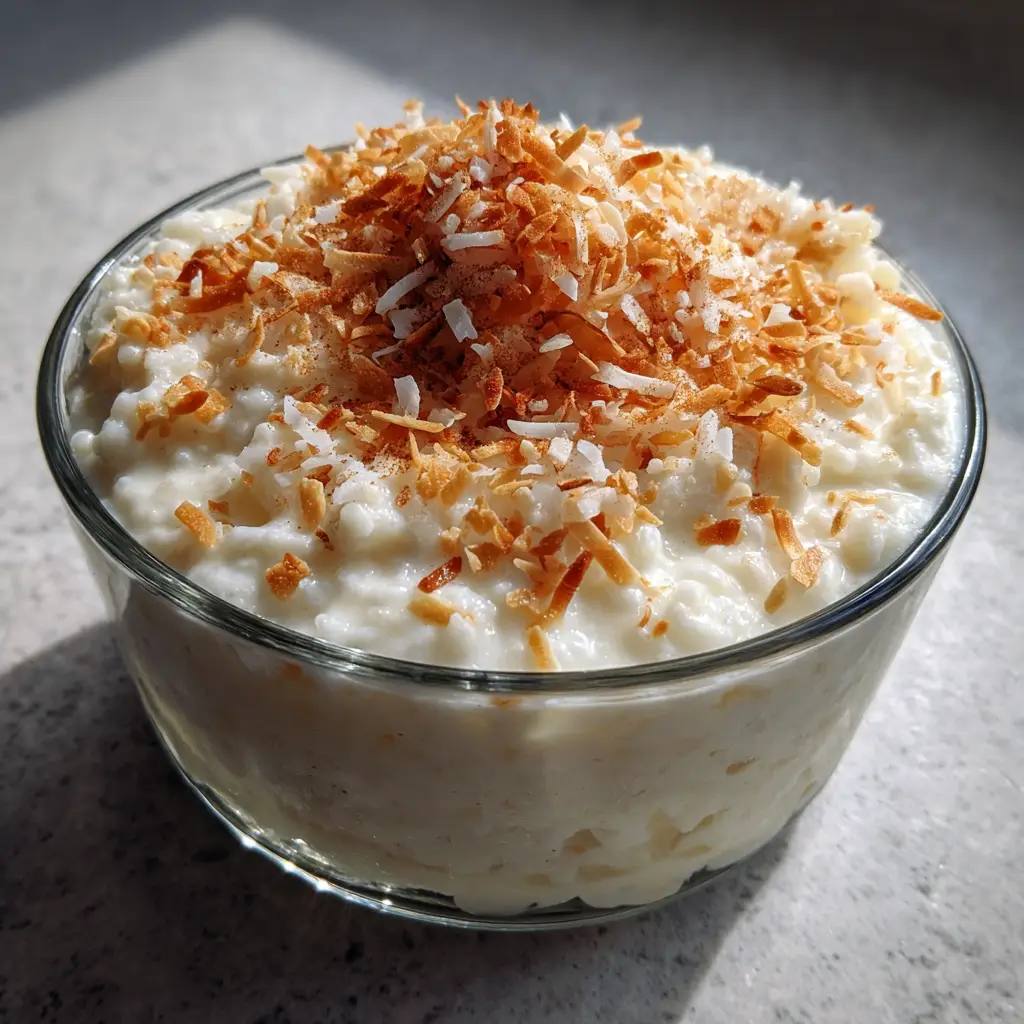
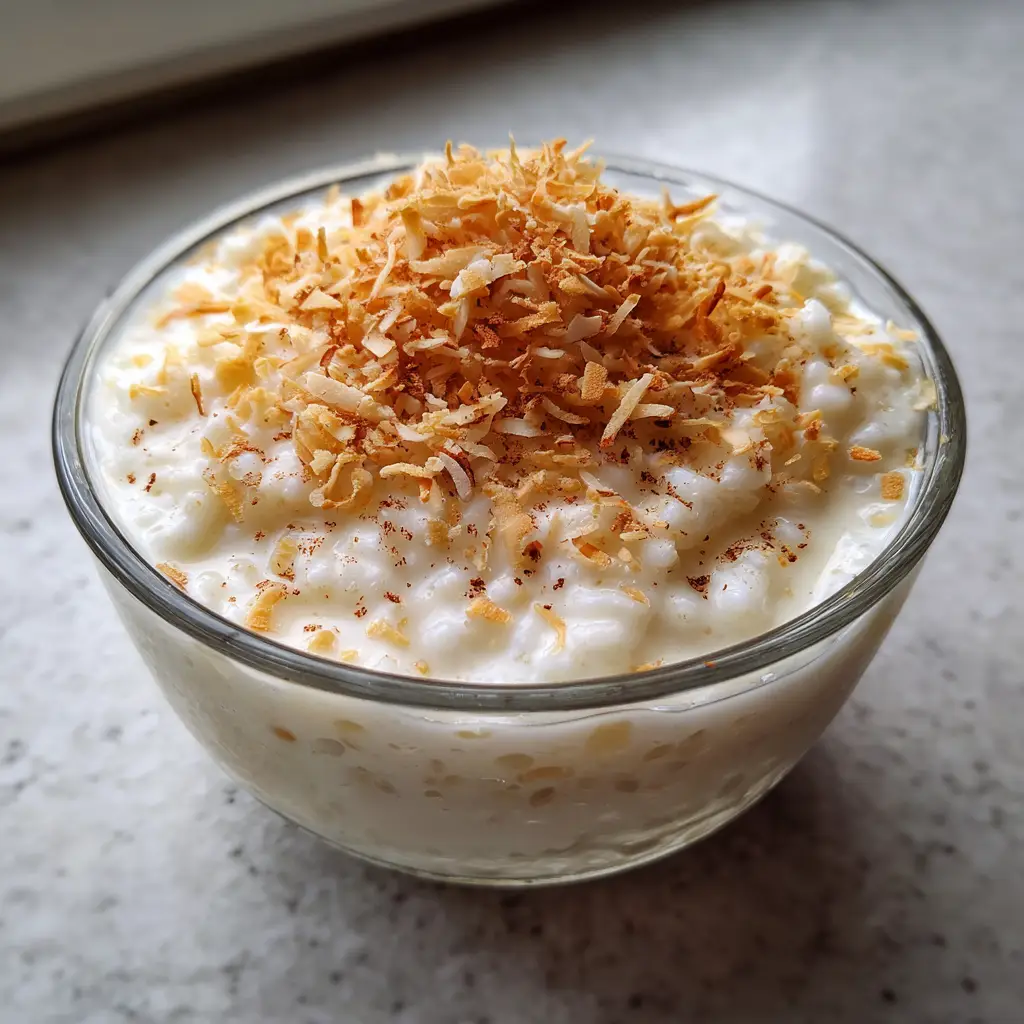
The visual appeal of this dish is as striking as its flavor profile. Imagine a clear glass bowl, showcasing the soft, plump grains of white rice suspended in an opaque, snow-white sea of coconut cream. Every bite is a study in texture, featuring the velvety smoothness of the pudding contrasted against the crunch of golden-brown toasted coconut flakes. A light dusting of ground cinnamon adds a warm, earthy aroma that bridges the sweetness of the coconut with the floral notes of the rice.
Whether you are serving this as a cozy weeknight treat or the grand finale to a dinner party, the result is always the same: pure, unadulterated satisfaction. By following professional culinary techniques, we will ensure your rice is perfectly hydrated without becoming mushy, achieving that specific handheld-photo-worthy finish that looks as good on a light-gray stone countertop as it tastes in your mouth.
Why This Velvety Coconut Dessert is a Game-Changer
- Unmatched Creamy Texture: By combining both thick coconut milk and heavy coconut cream, we achieve a fat content that mimics dairy-based custards, resulting in a glossy and dense finish.
- Contrast in Every Bite: The addition of a generous mound of toasted coconut flakes provides a structural contrast to the soft cooked white rice, keeping the palate engaged.
- Natural Aromatics: The combination of jasmine rice and cinnamon creates a sensory experience that fills your kitchen with a tropical, inviting scent.
- Dietary Friendly: This recipe is naturally vegan and gluten-free, making it an excellent option for diverse groups of guests without sacrificing luxury.
Essential Elements for the Perfect Glossy Rice Pudding
Long-Grain Jasmine or White Rice: You will need 1 cup (185g) of rice. This variety provides the soft, plump foundation required for the pudding while maintaining enough structural integrity to be visible through a clear glass bowl.
Full-Fat Canned Coconut Milk: 1 can (400ml) is the base of our liquid. It provides the opaque white color and the foundational tropical flavor that defines this Coconut Rice Pudding Recipe.
Heavy Coconut Cream: 1/2 cup (120ml) of pure coconut cream is the secret to the “velvety and dense” texture mentioned in our visual blueprint. This adds the necessary lipids for a glossy surface.
Granulated Cane Sugar: 1/3 cup (65g) acts as our primary sweetener. It dissolves completely, ensuring the pudding remains smooth without any graininess to the tongue.
Sea Salt: 1/4 tsp (1.5g) is a foundational invisible ingredient. It balances the high fat content and sugar, heightening the natural floral notes of the rice.
Vanilla Bean Paste or Extract: 1 tsp (5ml) adds depth. While not visible in the final photo, it provides the aromatic “soul” that makes the coconut flavor pop.
Toasted Coconut Flakes: 1/2 cup (30g) of unsweetened flakes provides the “golden-brown” visual crowning. Toasting these activates the oils and creates a professional crunch.
Ground Cinnamon: 1/2 tsp (1g) for the light dusting. This provides a visual pop against the white cream and a warm spice finish.
Filtered Water: 1.5 cups (355ml) for the initial rice simmer. This ensures the rice softens properly before the heavy fats are introduced, which can sometimes inhibit hydration.
The Right Tools for a Professional Finish
To achieve the results seen in our high-end food photography, you will need a heavy-bottomed saucepan. This ensures even heat distribution, preventing the coconut sugars from scorching at the bottom of the pot. A silicone spatula is also essential for constant stirring, which is the secret to releasing just enough starch from the rice to create that thick, glossy suspension.
Finally, for presentation, a set of clear glass bowls is paramount. Because this pudding is so visually rich, serving it in glass allows the diner to see the “plump white rice grains” and the density of the cream. If you are looking for more meal inspiration, consider serving this after a light shrimp rice bowl or alongside a refreshing Thai chickpea salad.
Mastering the Stove: A Step-by-Step Culinary Guide
Initial Rice Hydration and Softening
In your heavy-bottomed saucepan, combine 1 cup (185g) of rinsed jasmine rice with 1.5 cups (355ml) of filtered water and the sea salt. Bring the mixture to a gentle boil over medium-high heat. Once boiling, reduce the heat to the lowest setting, cover tightly, and simmer for 12 to 15 minutes.
You are looking for the rice to be tender but not fully “blown out.” The grains should have absorbed the water but still look distinct. This foundational step ensures the rice remains “soft and plump” rather than turning into a homogenous mush once the cream is added.
The Cream Infusion and Thickening Process
Remove the lid and pour in the full can of coconut milk and the sugar. Increase the heat to medium and bring the mixture to a low simmer. Use your silicone spatula to stir frequently; this mechanical action encourages the rice to release its natural starches into the coconut milk.
Continue to cook, uncovered, for about 10-12 minutes. You will hear a soft bubbling sound, and the liquid will begin to transform from a thin milk to a thick, opaque sauce. The visual cue here is “the trail”—when you pull your spatula through the center, the pudding should take a second to flow back together.
Achieving the Velvety Glossy Finish
Once the pudding has thickened significantly, stir in the 1/2 cup (120ml) of coconut cream and the vanilla. This late addition of the heavy cream is a professional trick to maintain a glossy surface and a dense, velvety mouthfeel. The coconut cream shouldn’t cook for long—just 2 minutes to incorporate.
Remove the pan from the heat. Note that the pudding will continue to thicken as it cools. At this stage, it should look like a rich, heavy custard. If it seems too thick, you can stir in an extra tablespoon of coconut milk to reach your desired consistency.
Perfecting the Toasted Coconut Topping
While the pudding rests, place your coconut flakes in a dry skillet over medium heat. Stir constantly for 3-5 minutes. Watch for the color change; you want a vibrant golden-brown. Immediately remove them from the hot pan to prevent over-browning. These will be the “generous mound” that crowns your dessert.
Visual Cues: How to Tell Your Pudding is Perfectly Set
A perfect Coconut Rice Pudding Recipe is all about the “suspended grain” look. When you look into the pot, or eventually through your clear glass bowl, you should see distinct rice grains that look swollen and translucent around the edges. They should be completely enveloped in a white, opaque liquid that doesn’t run like water but clings to the rice.
The surface should have a slight sheen or gloss, reflecting the natural light from your window. If the surface looks matte or dry, it usually means the rice has absorbed too much liquid, and a splash more of coconut cream is needed to restore that luxurious finish. If you enjoy this level of creaminess in your desserts, you might also love the texture of my banana pudding frosting for your next cake project.
Expert Tips for Success
- Rinse Your Rice: Always rinse the rice under cold water until it runs clear. This removes excess surface starch that can make the pudding “gummy” rather than “creamy.”
- Constant Stirring: Do not walk away during the final 10 minutes of cooking. Stirring prevents the bottom from burning and creates the velvety suspension we are aiming for.
- Temp Control: Never let the coconut milk reach a rolling, violent boil. High heat can cause coconut milk to “split” or curdle, ruining the opaque, smooth appearance.
- The Resting Period: Let the pudding sit for at least 10 minutes before serving. This allows the starches to stabilize, resulting in a much better “handheld photo” density.
How to Keep Your Pudding Fresh and Creamy
Coconut rice pudding can be served warm, at room temperature, or chilled. If you prefer it cold, place a piece of plastic wrap directly on the surface of the pudding before refrigerating. This prevents a “skin” from forming, maintaining that glossy surface you worked so hard to achieve.
The pudding will keep in the refrigerator for up to 4 days. Upon cooling, the rice will continue to drink up the liquid. To reheat, simply place the desired portion in a small pot with a splash of coconut milk or water and stir over low heat until it regains its creamy, velvety texture. This recipe does not freeze well, as the rice texture tends to become grainy upon thawing.
Delightful Pairings and Menu Inspiration
Because this Coconut Rice Pudding Recipe is so rich and tropical, it pairs beautifully with bright, acidic flavors. Consider serving it as part of a larger dessert spread alongside a strawberry shortcake sheet cake for a mix of textures. The acidity of the strawberries cuts through the fat of the coconut perfectly.
If you are planning a themed dinner, this is the logical conclusion to a meal featuring a savory marinated chicken or a fresh salad. The simplicity of the clear glass bowl presentation makes it versatile enough for any table setting, from rustic to modern.
Your Coconut Rice Pudding Questions Answered
Yes, you can substitute the cane sugar with maple syrup, agave, or a heat-stable monk fruit sweetener. However, the glossiness of the surface may vary slightly.
You can, but the result will not be as ‘velvety and dense’ as described. Full-fat canned coconut milk is essential for that professional, glossy finish.
Place a piece of parchment paper or plastic wrap directly onto the surface of the pudding while it cools to prevent air from drying out the top layer.
Jasmine or long-grain white rice is best. They provide a soft, plump texture that absorbs the coconut flavors while remaining distinct enough to provide a pleasant mouthfeel.
Pudding often appears thin while hot. It thickens significantly as it rests. If it’s still too thin, simmer it for another 5 minutes to release more rice starch.
The Ultimate Creamy Coconut Rice Pudding
Coconut Rice Pudding Recipe: The Ultimate Creamy and Velvety Dairy-Free Dessert
Ingredients
Equipment
Method
- Combine rinsed rice, water, and salt in a saucepan. Bring to a boil, then cover and simmer on low for 12-15 minutes until water is absorbed and grains are soft but plump.
- Stir in the coconut milk and sugar. Cook uncovered over medium heat, stirring frequently for 10-12 minutes until the liquid becomes thick, opaque, and glossy.
- Fold in the coconut cream and vanilla extract. Cook for another 2 minutes to achieve a dense, velvety texture, then remove from heat.
- Toast coconut flakes in a dry skillet until golden. Ladle the warm pudding into clear glass bowls and top with a generous mound of flakes and a light dusting of cinnamon.
Notes
If the pudding thickens too much after cooling, stir in a splash of coconut milk to restore the gloss.
Join the Bite Journey Community
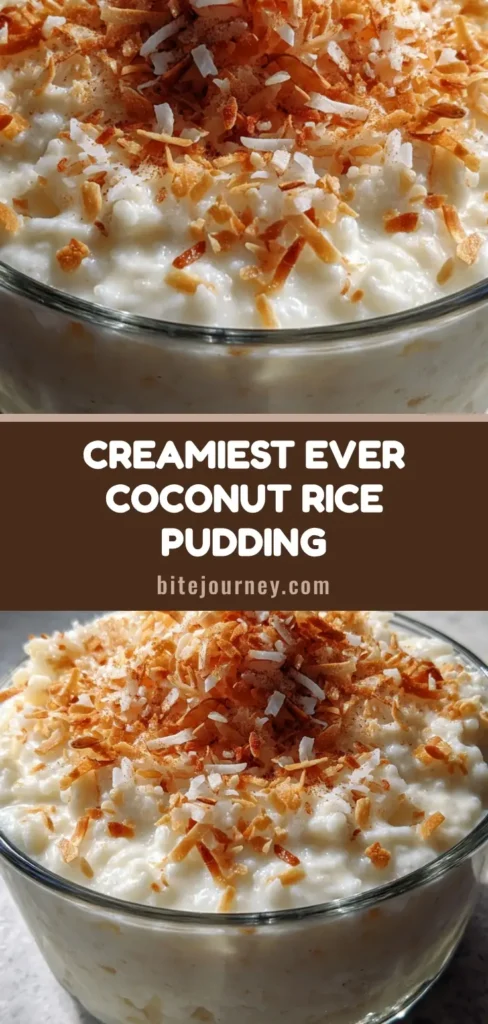
This Coconut Rice Pudding Recipe is more than just a dessert; it’s a sensory experience that brings tropical luxury into your home. The combination of soft rice, rich cream, and that signature cinnamon-coconut topping is a proven crowd-pleaser that looks stunning in every photo. We would love to see your creations! Tag us in your photos and show off those clear glass bowls on the countertop.
For more daily culinary inspiration and “behind the scenes” tips on achieving professional food photography results, follow our boards on Pinterest. Don’t forget to leave a comment below with your favorite toppings or any questions you have about the process. Happy cooking!