Authentic Cacio e Pepe is more than just a meal; it is a Roman rite of passage. If you have been searching for that elusive, glossy, ivory-colored sauce that clings perfectly to every strand of spaghetti, you have found the definitive guide. This recipe transforms humble pantry staples—pasta, cheese, and pepper—into a culinary work of art that looks exactly like a high-end Italian trattoria dish.
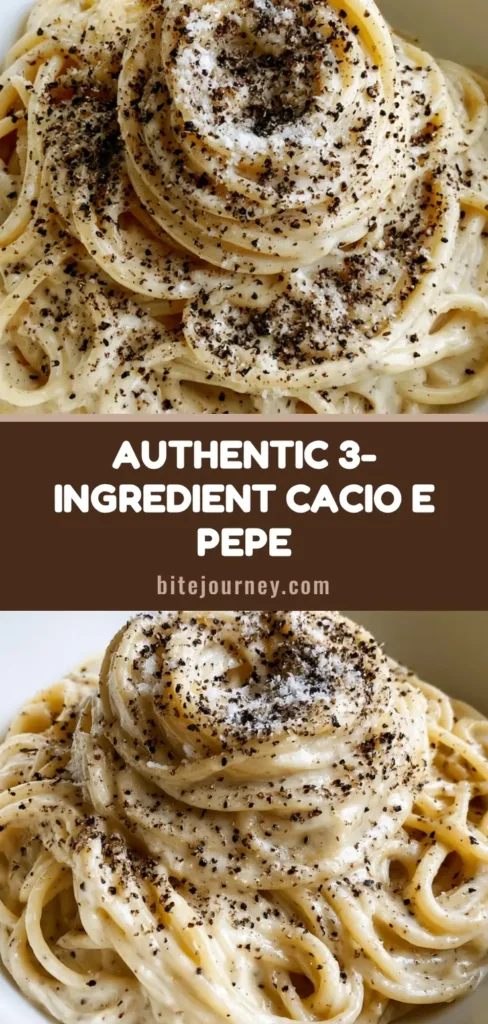
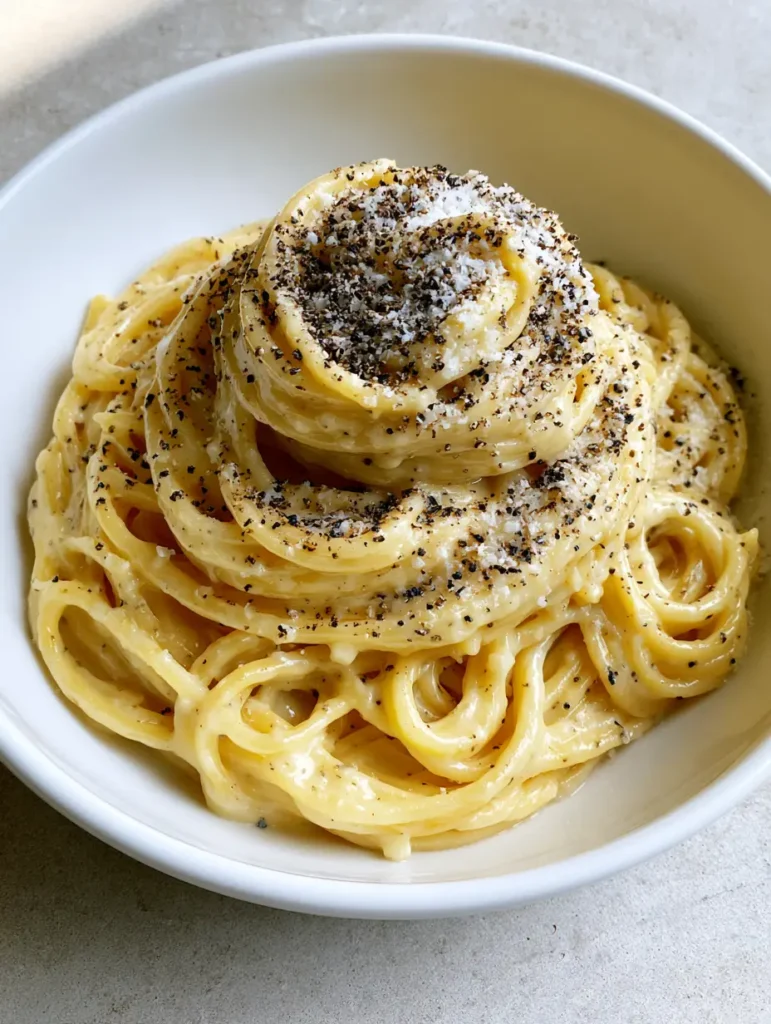
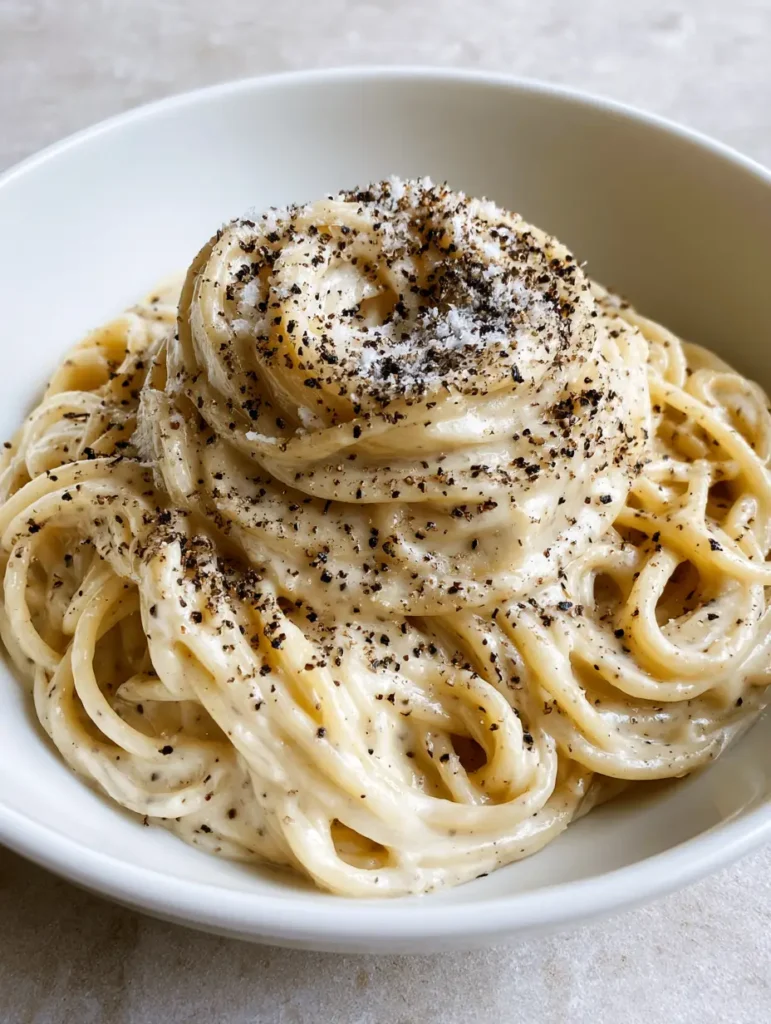
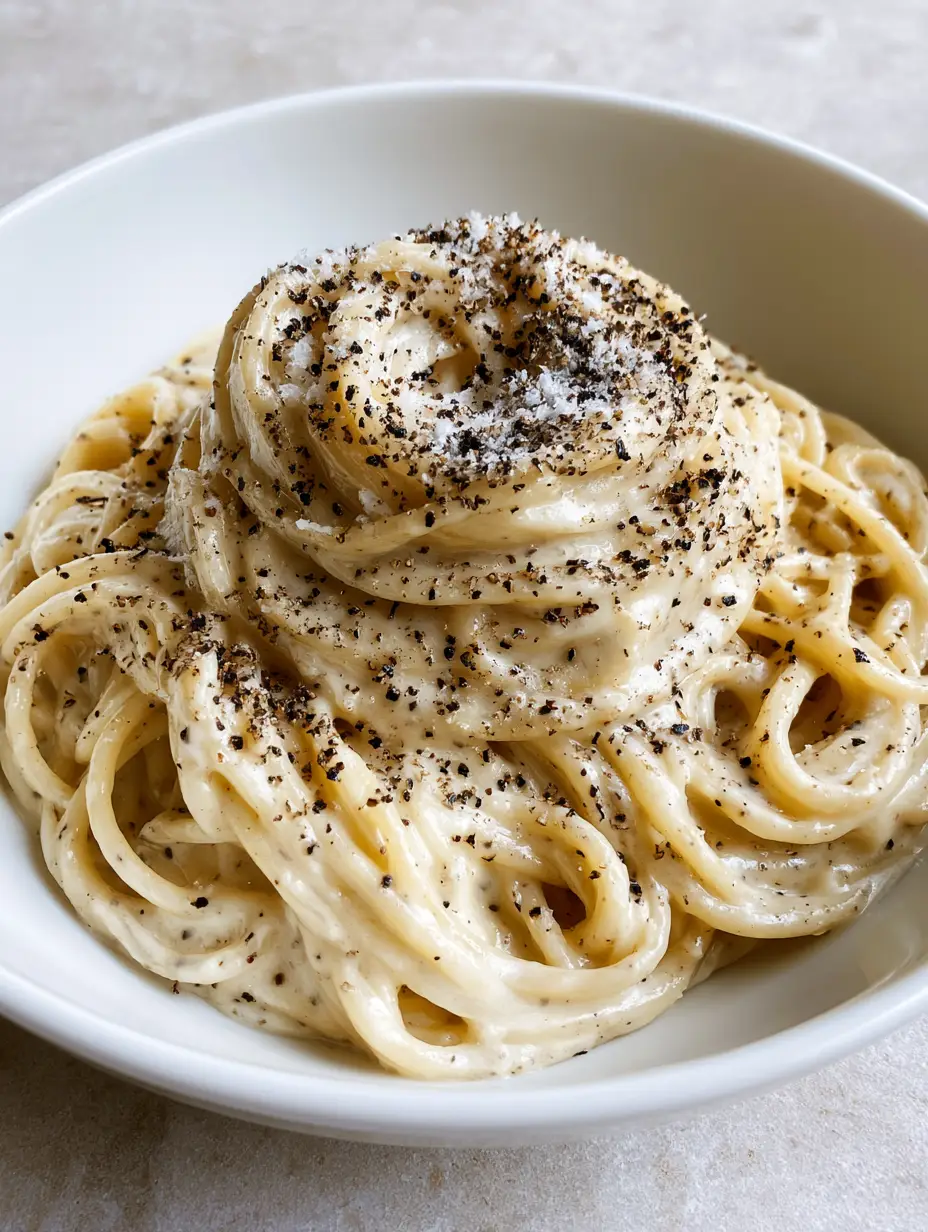
Imagine a shallow white ceramic bowl filled with a high, elegant swirl of al dente spaghetti. Each strand is thoroughly coated in a silky, velvety emulsified cheese sauce that glows with a pale ivory hue. The dish is heavily speckled with a dense layer of coarsely cracked black pepper, finished with a fine dusting of snowy, finely grated Pecorino Romano cheese. No herbs, no cream, just pure Roman tradition.
This recipe is designed for the home cook who wants restaurant-quality results without the fuss. Whether you are looking for cheap Saturday night dinner ideas or a sophisticated solo meal, this technique ensures a clump-free, professional result every single time. Let’s dive into the science of the perfect emulsion.
Why This Authentic Cacio e Pepe Recipe Works
- Glossy Emulsion: We use a specific temperate-slurry method to ensure the Pecorino Romano melts into a velvet sauce rather than clumping into rubbery balls.
- Textural Perfection: By using bronze-cut spaghetti, we maximize starch release, creating a natural “glue” for the cheese.
- Aromatic Depth: Toasting the peppercorns whole before cracking them releases essential oils that pre-ground pepper simply cannot match.
- Visual Elegance: This dish mirrors the classic Roman aesthetic—minimalist, bold, and incredibly inviting.
The Essential Ingredients for Roman Success
Spaghetti (500g / 1lb): Look for “bronze-cut” or “trafilata al bronzo” on the label. The rough surface of this pasta is essential for the Authentic Cacio e Pepe sauce to cling to.
Pecorino Romano Cheese (200g / 7oz): This MUST be Pecorino Romano, not Parmesan. It provides the signature salty, tangy bite and creamy meltability. It should be aged at least 12 months.
Whole Black Peppercorns (2 tablespoons / 12g): Avoid the shaker. You need whole peppercorns that you will toast and crush yourself to achieve that coarse, spicy texture seen in the Visual Recipe Blueprint.
Sea Salt: Used sparingly in the pasta water. Because Pecorino is naturally very salty, we use less salt in the pot than we would for a Mediterranean pasta salad.
Starchy Pasta Water: Often called “liquid gold,” this is the secret fourth ingredient that binds the cheese and pepper into a silky ivory sauce.
How to Make Authentic Cacio e Pepe Step-by-Step
Step 1: Toasting and Crushing the Pepper
Place the whole peppercorns in a dry skillet over medium heat. Toast them for 2-3 minutes until they become fragrant and begin to slightly “jump” in the pan. This step is crucial for the deep, toasted aroma characteristic of an Authentic Cacio e Pepe.
Transfer the toasted berries to a mortar and pestle or a heavy-duty spice grinder. Crush them until you have a coarse grind—you want visible, crunchy bits of pepper, not a fine powder. Return the pepper to the skillet and set aside.
Step 2: Boiling the Bronze-Cut Pasta
Bring 3 liters (approx. 3 quarts) of water to a boil. Use less water than usual; a higher concentration of starch in the water is the secret to a thick, glossy sauce. Add a small pinch of salt and drop in your spaghetti.
Cook the pasta for 2 minutes less than the package directions for “al dente.” The spaghetti should still have a firm “snap” in the center because it will finish cooking in the cheese sauce. While the pasta boils, move to the most important step: the cheese paste.
Step 3: Creating the Pecorino Slurry
Finely grate the Pecorino Romano using a microplane. It should look like light, fluffy snow. In a medium bowl, combine 1.5 cups (150g) of the grated cheese with a small ladle of the hot (but not boiling) pasta water.
Whisk vigorously until a thick, smooth paste forms. This “tempering” of the cheese prevents it from seizing when it hits the hot pasta later. The paste should be the consistency of thick Greek yogurt.
Step 4: The Marriage of Pasta and Sauce
Using tongs, transfer the undercooked spaghetti directly from the boiling water into the skillet with the toasted pepper. Add half a cup (120ml) of pasta water to the skillet. Toss over medium heat for 1 minute until the water begins to bubble and emulsify with the pepper oils.
Remove the skillet from the heat entirely. This is the “Pro Secret.” If the pan is too hot, the cheese will clump. Add the Pecorino slurry to the pasta. Toss and stir vigorously with tongs. The mechanical action, combined with the starch, will create a glossy, thick, pale ivory-colored emulsified cheese sauce.
Step 5: The Final Flourish
Continue tossing until the sauce clings to each strand of spaghetti. If it looks too dry, add another splash of pasta water. If it is too thin, keep tossing; the starch will thicken it as it cools slightly. The final result should be a silky, velvety texture that coats the pasta perfectly.
Expert Tips for the Perfect Emulsion
- The Temperature Rule: Never add the cheese paste to a pan that is still on the heat. Residual heat is enough to melt the Pecorino without turning it into a rubbery mess.
- Water Quality: If you live in an area with very hard water, consider using filtered water for the pasta to ensure the starch behaves correctly.
- Grating Matters: Use the finest side of your grater. Large shreds of cheese will not melt fast enough to emulsify.
- No Oil, No Butter: An Authentic Cacio e Pepe relies solely on the fat from the cheese. Adding butter makes it a different dish entirely (Alfredo’s cousin!).
Storage, Reheating & Freezing
Storage: This dish is best served immediately. However, you can store leftovers in an airtight container in the fridge for up to 2 days. It does not freeze well due to the delicate nature of the cheese emulsion.
Reheating: Do not microwave! Reheat in a skillet over low heat with 2-3 tablespoons (30-45ml) of fresh water. Stir constantly to coax the sauce back into an emulsified state. It is much like trying to revive slow cooker honey garlic chicken; moisture is your friend.
What to Serve With Authentic Cacio e Pepe
Because this dish is rich and peppery, it pairs beautifully with light, acidic sides. A simple arugula salad with lemon vinaigrette cuts through the creaminess of the Pecorino. If you want a full Italian spread, consider starting with mozzarella cheese sticks for a fun appetizer or a crisp glass of Frascati wine.
Frequently Asked Questions
While delicious, it won’t be an ‘Authentic’ Cacio e Pepe. Pecorino is saltier and tangier, which defines the dish’s flavor profile. Parmesan also has a different melting point.
Yes. Toasting the peppercorns awakens the piperine and essential oils, providing a floral, complex heat that raw pepper lacks.
The creaminess comes from the starch in the pasta water. Use less water to boil the pasta so the starch is highly concentrated, which acts as a natural emulsifier.
Spaghetti, Tonnarelli, or Bucatini are the best choices. Long, thin strands provide the maximum surface area for the emulsified sauce to cling to.
Cheese clumps when the temperature is too high. Pecorino Romano proteins tighten and seize above 150°F (65°C). Always remove the pan from the heat before adding your cheese paste.
The Final Authentic Cacio e Pepe Recipe
Authentic Cacio e Pepe: The Creamy 3-Ingredient Roman Masterpiece
Ingredients
Equipment
Method
- Toast whole peppercorns in a dry skillet over medium heat for 2-3 minutes until fragrant. Coarsely crush in a mortar and pestle.
- Boil spaghetti in lightly salted water for 2 minutes less than package directions. Reserve 2 cups of starchy pasta water.
- Whisk grated Pecorino with a small amount of warm pasta water to form a thick, smooth paste.
- Add pasta to the skillet with pepper and 1/2 cup pasta water. Remove from heat, stir in cheese paste, and toss vigorously until a glossy ivory sauce forms.
Notes
Ensure the pan is OFF the heat before adding cheese to prevent clumping.
Save This Roman Classic to Pinterest!
Ready to master the art of the Authentic Cacio e Pepe? Pin this recipe to your “Italian Dinners” or “3-Ingredient Recipes” board now! Don’t forget to follow Bite_Journey on Pinterest for more high-definition, kitchen-tested recipes. If you make this elegant swirl of pasta, snap a photo and share it in the comments below—we love seeing your glossy, peppery results! Please leave a 5-star rating if you enjoyed this Roman journey.