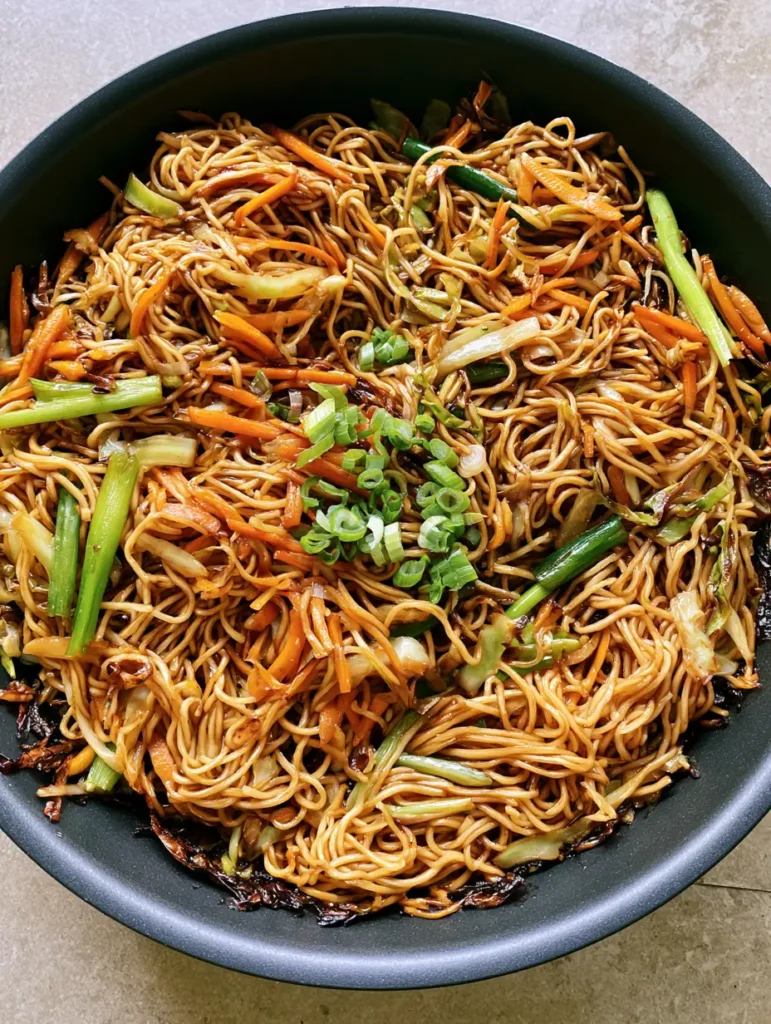
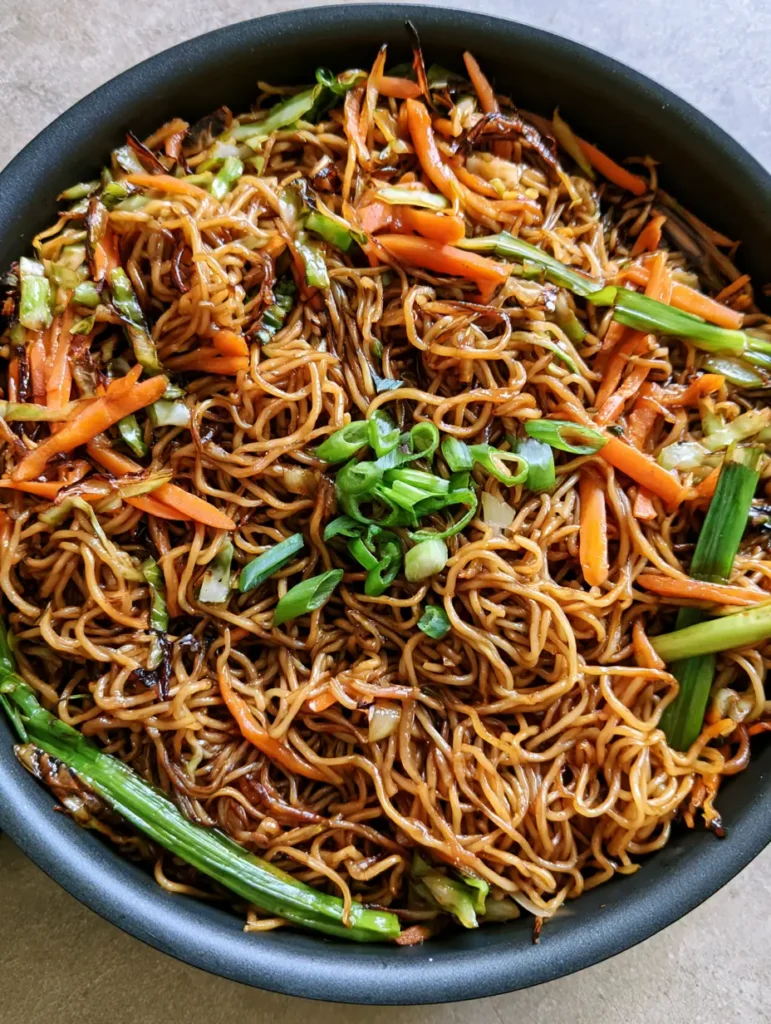
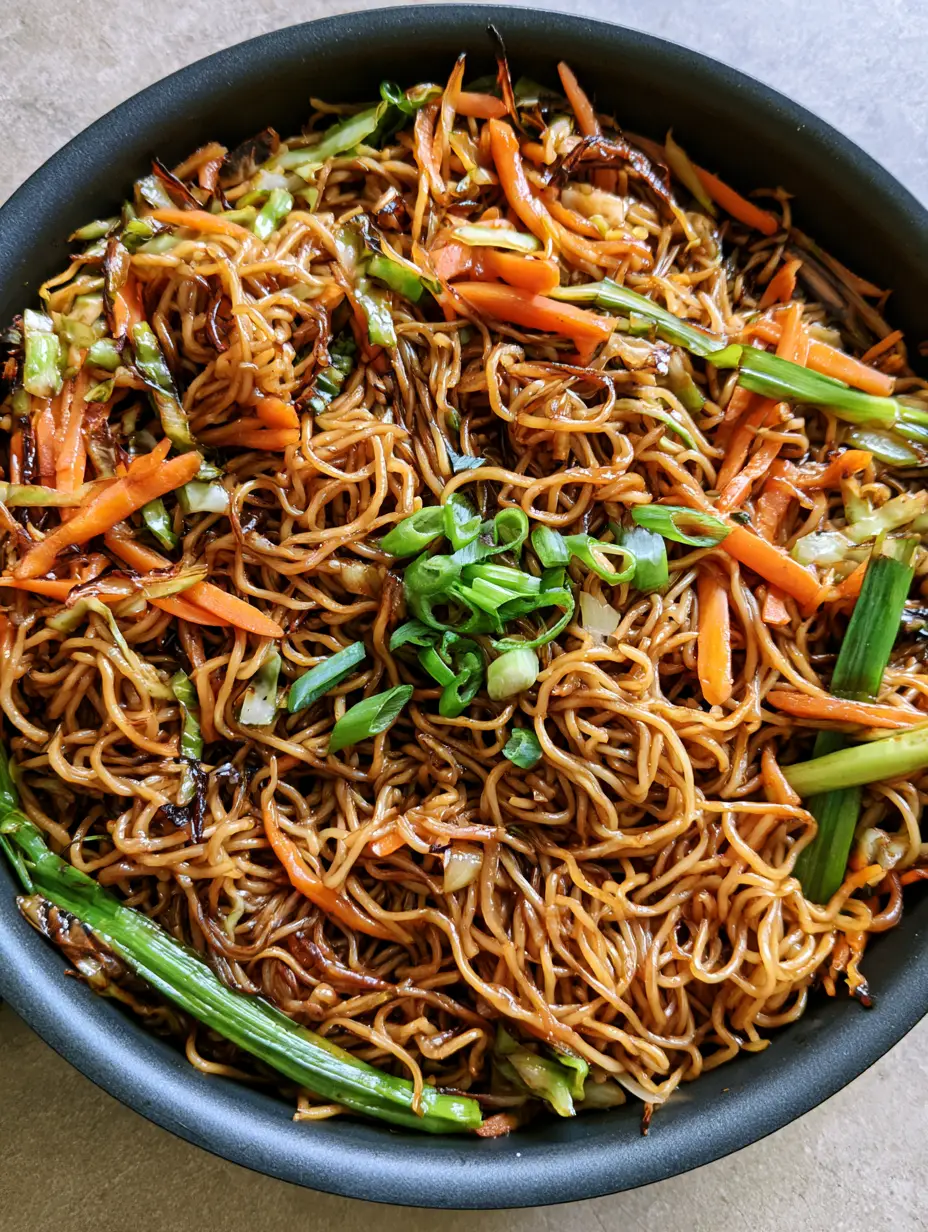
Mastering the perfect Homemade Chow Mein Recipe is a culinary milestone for any home cook looking to replicate the high-heat magic of a professional kitchen. This isn’t just a simple stir-fry; it is a symphony of textures, featuring thin, curly wheat noodles coated in a glossy, dark amber savory sauce. Imagine the contrast of soft, chewy noodles against the crispy, seared edges earned from a scorching hot black skillet, all tossed with vibrant julienned vegetables.
When you scroll through Pinterest, you see those perfectly glistening noodles that look almost too good to be true. This Homemade Chow Mein Recipe delivers exactly that visual promise. From the bright pop of orange carrots to the long segments of bright green scallions, every element is designed for maximum flavor and aesthetic appeal. Whether you are looking for cheap Saturday night dinner ideas or a quick weeknight win, these noodles are the answer.
Why This Is the Only Stir-Fried Noodle Recipe You Need
- The Perfect Sear: We utilize high-heat techniques to ensure those coveted seared noodle bits that provide a smoky, “wok hei” flavor right in your own kitchen.
- Visual Contrast: The combination of julienned orange carrots and thinly sliced green cabbage provides a crunch that cuts through the rich sauce.
- Customizable Base: While this version is vegetarian-focused, it serves as the ultimate foundation for adding proteins like slow cooker honey garlic chicken.
- The 20-Minute Miracle: From prep to plate, this Homemade Chow Mein Recipe respects your time without sacrificing the complex flavors of traditional street food.
The Secret Architecture of a Dark Savory Glaze
The soul of any Homemade Chow Mein Recipe lies in its sauce. We aren’t looking for a thin, watery liquid; we want a dark amber glaze that clings to every strand of the wheat noodles. This requires a specific balance of light and dark soy sauces.
Light Soy Sauce: This provides the saltiness and the foundational umami. Use 2 tablespoons (30ml) for a balanced base.
Dark Soy Sauce: This is the secret to that glossy, dark amber-colored finish. It is thicker and less salty but provides a deep, molasses-like color and richness. 1 tablespoon (15ml) is all you need.
Oyster Sauce (or Vegetarian Stir-Fry Sauce): This adds body and a hint of sweetness. It helps the sauce emulsify so it doesn’t just pool at the bottom of your black skillet.
Toasted Sesame Oil: A finishing oil that provides that signature nutty aroma. Always add this at the end to preserve its delicate flavor profile.
Essential Ingredients for the Ultimate Crunch
To achieve the look of our visual blueprint, your vegetable prep is non-negotiable. You want thin, uniform pieces that cook quickly but retain their “bite.”
Thin, Curly Wheat Noodles: Seek out 8 oz (225g) of fresh chow mein noodles or “Hong Kong style” noodles. They have the perfect surface area for catching the sauce.
Julienned Carrots: Use 1 cup (125g) of orange carrots cut into matchsticks. They provide a natural sweetness and a stunning color contrast against the dark noodles.
Green Cabbage: 2 cups (150g) of thin strips of sauteed green cabbage. Cabbage wilts slightly but maintains a structural integrity that complements the soft noodles.
Green Onions (Scallions): You will need 4-5 stalks. Cut them into 2-inch (5cm) segments for the stir-fry and finely chop the tops for the final freshly chopped green onion rings garnish.
Aromatics: 3 cloves of minced garlic and 1 teaspoon (5g) of freshly grated ginger. These are the invisible flavor carriers of the Homemade Chow Mein Recipe.
Step-by-Step: Mastering the Skillet Sear
Preparing the Noodle Foundation
If using fresh noodles, rinse them under cold water to remove excess starch. This prevents them from becoming a gummy mass in your skillet. If using dried, boil them for 1 minute less than the package directions suggest. They should be al dente.
Drain the noodles thoroughly. Pro Tip: Pat them dry with a paper towel. Excess moisture is the enemy of the seared noodle bits we want to create.
Flash-Frying the Vegetables
Heat 2 tablespoons (30ml) of high-smoke point oil (like peanut or vegetable oil) in a large black skillet or wok over high heat. Wait until the oil is shimmering and slightly smoking.
Toss in the julienned orange carrots and green cabbage. Stir-fry for only 60-90 seconds. You want the cabbage to be vibrant and the carrots to be slightly softened but still snappy.
The Art of the Noodle Char
Push the vegetables to the sides of the skillet. Add another tablespoon of oil to the center. Add the noodles and spread them out into an even layer. Do not move them for 60 seconds.
This “still time” is what creates those occasional crispy, seared edges. You should hear a distinct sizzling sound. Flip the noodles and repeat for another 30 seconds before tossing everything together.
Emulsifying the Dark Amber Sauce
Pour your pre-mixed sauce over the noodles. Using tongs or a spatula, toss vigorously over high heat. The dark savory sauce glaze should begin to caramelize and thicken, coating the thin, curly wheat noodles perfectly.
Add the long segments of bright green scallions during the last 30 seconds of cooking. This keeps them vibrant and prevents them from turning mushy.
Expert Tips for Success
- The Temperature Rule: Never crowd your skillet. If you are doubling this Homemade Chow Mein Recipe, cook it in two batches to ensure the temperature stays high enough for searing.
- Dry Your Noodles: As mentioned, moisture creates steam. Steam creates soggy noodles. For the best seared noodle bits, the noodles must be as dry as possible before hitting the oil.
- Prep Everything First: Stir-frying happens in seconds. Have your sauce mixed and your julienned carrots ready before you turn on the stove.
- The Skillet Choice: While a wok is traditional, a heavy black skillet (like cast iron) holds heat exceptionally well, making it easier for home cooks to get that professional char.
Storage, Reheating & Freezing
This Homemade Chow Mein Recipe is excellent for meal prep. Store leftovers in an airtight container in the refrigerator for up to 4 days.
To Reheat: Avoid the microwave if possible, as it can make the noodles rubbery. Instead, toss the leftovers back into a hot skillet with a splash of water or extra soy sauce to loosen the glaze. Stir-fry for 2-3 minutes until heated through.
Freezing: You can freeze Chow Mein for up to 2 months. However, note that the sauteed green cabbage may lose some of its crunch upon thawing. Defrost overnight in the fridge before reheating.
What to Serve With This
This dish is a powerhouse on its own, but it also pairs beautifully with other Asian-inspired favorites. Try serving it alongside mozzarella cheese sticks for a fun fusion appetizer night, or go traditional with a side of steamed dumplings.
For a complete dinner spread, these noodles act as the perfect bed for a juicy ground turkey burger seasoned with ginger and soy, or even a side of fresh mango sticky rice rolls for dessert.
Frequently Asked Questions
Yes! Substitute the wheat noodles with gluten-free rice noodles or buckwheat noodles, and use Tamari or a gluten-free soy sauce alternative for the glaze.
The secret is high heat and a dry noodle. After boiling, pat the noodles dry and let them sit undisturbed in a hot, oiled skillet for at least 60 seconds before tossing.
Fresh, thin, curly wheat noodles (often labeled as ‘Chow Mein’ or ‘Hong Kong Style’ noodles) are best for achieving the characteristic crispy edges and chewy texture.
The primary difference lies in the cooking method. Chow Mein noodles are stir-fried until they develop crispy, seared edges, while Lo Mein noodles are boiled and tossed in sauce, resulting in a softer texture.
You likely need Dark Soy Sauce. Unlike regular (light) soy sauce, dark soy sauce is aged longer with molasses, providing that rich, dark amber color without making the dish overly salty.
The Ultimate Homemade Chow Mein Recipe Card
Homemade Chow Mein Recipe: Better-Than-Takeout Stir-Fried Noodles
Ingredients
Equipment
Method
- Boil dried noodles 1 minute less than package directions. If using fresh, rinse under cold water. Pat completely dry.
- In a small bowl, whisk together light soy sauce, dark soy sauce, oyster sauce, and sugar until combined.
- Heat oil in a black skillet over high heat. Stir-fry julienned carrots and cabbage for 90 seconds until vibrant.
- Add noodles to the skillet. Let sit for 60 seconds to create seared noodle bits. Pour sauce over, add green onions, and toss for 1 minute until glazed and glossy.
Notes
Patting noodles dry is essential for the crispy texture.
Join the Bite Journey Community!
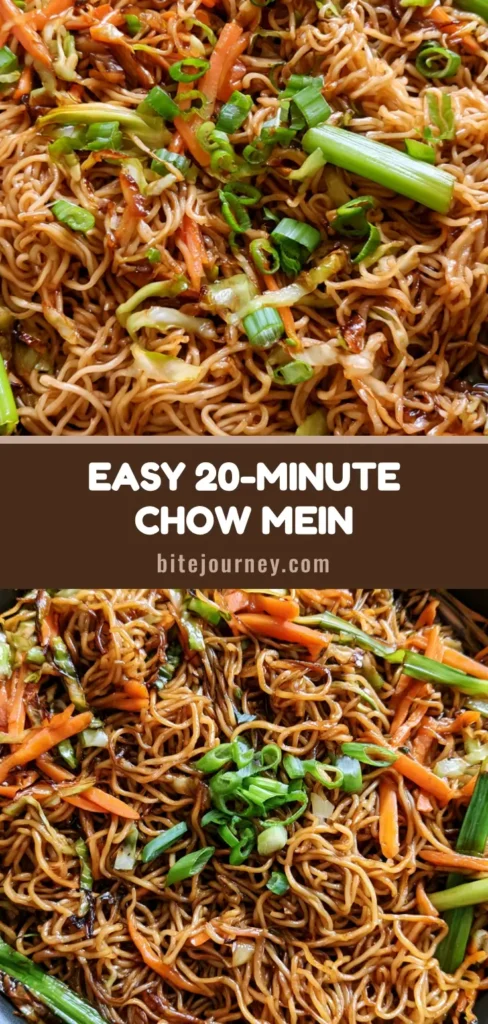
Did you manage to get those perfect seared noodle bits? We want to see your creations! Save this Homemade Chow Mein Recipe to your “Quick Dinners” board on Pinterest so you never lose it. If you made this, please follow @Bite_Journey for more high-flavor inspiration.
Leave a comment below with a photo of your skillet and don’t forget to give this recipe a 5-star rating if it satisfied your takeout cravings! Your feedback helps our community grow and helps other home cooks find their new favorite meals.